What to Eat After Periodontal Treatment for Faster Recovery
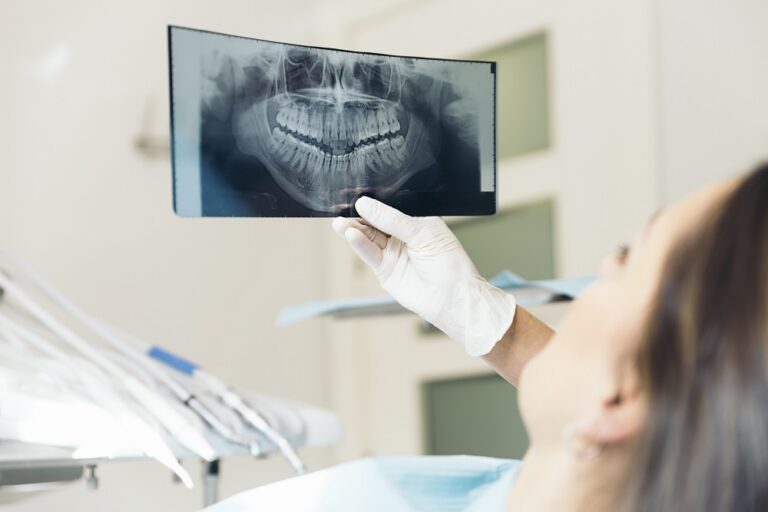
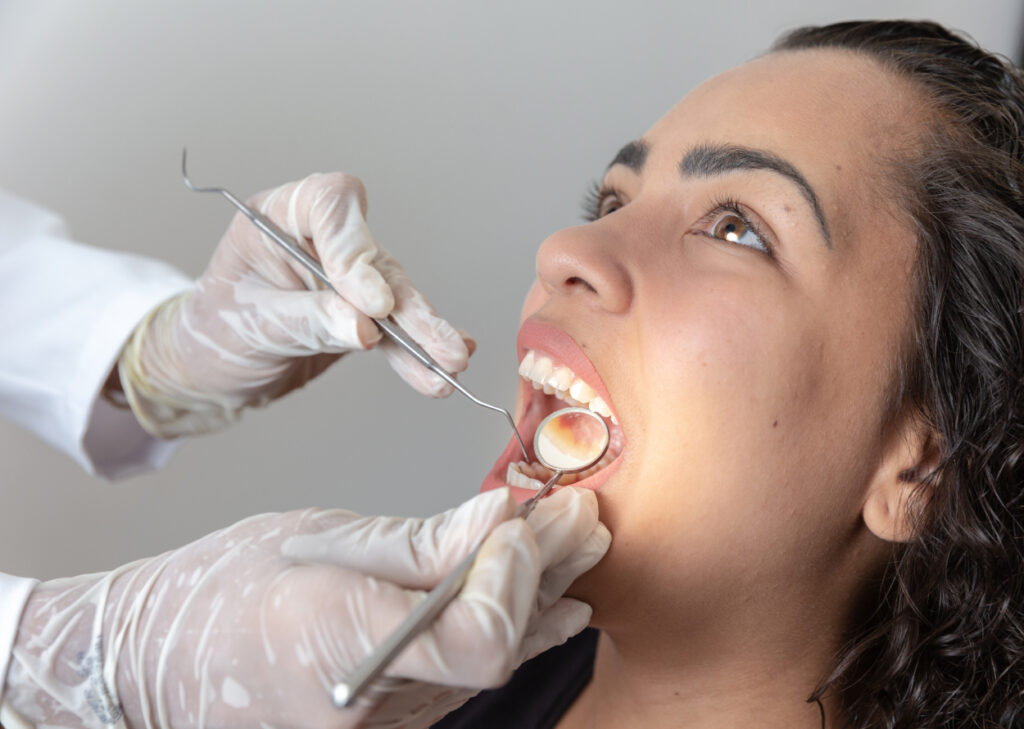
Periodontal treatment does not end when you leave the chair. What you eat over the next few hours and the next several days has a direct effect on comfort, healing, bleeding, swelling, and how well the tissues settle back around your teeth. Patients often focus on brushing instructions and medications, which matter, but food choices can either support recovery or make an already tender mouth far more irritated.
That is especially true after scaling and root planing, gum surgery, flap procedures, gum grafts, pocket reduction, laser therapy, or extractions done alongside periodontal care. Even when the treatment seems routine, the gums are usually inflamed, freshly instrumented, and sensitive to temperature, texture, and pressure. A crunchy granola bar or a handful of chips can be enough to restart bleeding or leave particles packed into sore areas.
The goal is simple: protect the treated tissue while giving your body the nutrients it needs to rebuild. Recovery foods should be easy to chew, mild in temperature, gentle on the gums, and rich enough in protein, vitamins, fluids, and calories to keep healing on track. That does not mean your diet has to be bland for a week, but it does mean being selective.
What your mouth is dealing with after treatment
After Periodontal Treatment, the gum tissue often has tiny raw surfaces, even if you cannot see them. Deep cleaning can leave the roots and gums tender. Surgical treatment can involve sutures, repositioned tissue, or donor tissue from another site. Some patients also have temporary dressings or areas where the gumline feels exposed and highly reactive.
When those tissues are disturbed, the body starts an organized healing response. Blood flow increases. Clotting begins where needed. Inflammatory cells move in to clean up the area. New collagen starts forming. That process is sensitive to mechanical trauma. Chewing something hard, sucking forcefully through a straw, or drinking very hot coffee too soon can interfere with the earliest stages of repair.
Most people notice the biggest sensitivity in the first 24 to 72 hours. During that period, food texture matters almost as much as the food itself. A nutritious meal is not especially helpful if it is painful to eat or if it leaves debris lodged around healing gum margins.
The first rule is texture, not trend
Patients often ask whether they need a special post procedure diet or expensive shakes. Usually, they do not. What matters most at first is softness and ease. If food can be swallowed with minimal chewing, does not scrape the gums, and is not full of seeds, husks, or sharp fragments, it is usually a reasonable choice.
Think of recovery eating as temporary damage control with a nutritional purpose. Yogurt works because it is soft and cool. Scrambled eggs work because they are tender and protein rich. Oatmeal can work once it has cooled and is prepared soft enough not to feel abrasive. A smoothie may work well if you drink it from a cup rather than a straw and avoid berries with lots of tiny seeds right after surgery.
Patients who do best usually make one smart adjustment before the appointment: they stock the kitchen in advance. If you come home sore and hungry with only crusty bread, tortilla chips, and spicy takeout available, you are more likely to make choices your gums will punish.
What to eat in the first 24 hours
The first day is less about perfect nutrition and more about safe, tolerable intake. Hydration counts. Protein counts. Calories count. If you feel numb for several hours after treatment, wait until sensation returns enough that you can chew without biting your lip or cheek. If your dentist or periodontist has given you different instructions because of a graft, bone procedure, or extensive surgery, follow those first.
Cool or room temperature foods are usually the most comfortable. Very hot foods can increase bleeding or trigger throbbing. Mildly chilled foods often feel https://www.google.com/maps?cid=6886544599407677320 better, particularly if the gums are puffy.
Here are five dependable options that work well for many patients:
- Greek yogurt or plain yogurt, preferably without crunchy toppings or seeded fruit.
- Smooth soups, served lukewarm rather than hot, such as pureed vegetable soup or blended chicken soup.
- Scrambled eggs, soft tofu, or other gentle proteins that do not require vigorous chewing.
- Mashed potatoes, mashed sweet potatoes, or soft polenta with a little butter or olive oil for calories.
- Applesauce, pudding, cottage cheese, or ripe mashed banana for easy energy when chewing feels unpleasant.
Those foods are not glamorous, but they solve a real problem. They let you eat without dragging rough edges across freshly treated gums. They also reduce the risk of getting stubborn food particles caught near the treatment site.
Why protein matters more than many patients realize
A common mistake after Periodontal Treatment is eating only soft carbohydrates for two or three days. It is understandable because toast, pasta, and mashed potatoes seem easy, but gum tissue healing depends heavily on protein. Your body uses amino acids to build new tissue, support immune function, and repair damaged areas. If your intake drops too low, recovery can feel slower and you may feel more tired overall.
That does not mean forcing yourself to chew steak. It means choosing softer protein sources. Eggs are usually one of the easiest. Greek yogurt, cottage cheese, protein enriched smoothies, silken tofu, tender flaky fish, and very soft shredded chicken can all fit, depending on your comfort level and the type of procedure you had.
For patients who are not very hungry after treatment, liquid nutrition can help bridge the gap. A homemade smoothie with yogurt, milk or a fortified plant beverage, peanut butter if tolerated, and a soft fruit like banana is often a good option. The key detail is to sip it from a cup. Straws can create suction that may aggravate bleeding or disrupt clot formation after certain procedures.
Vitamins and minerals that support gum healing
Healing is never about one magic food, but there are patterns that help. Vitamin C plays a role in collagen formation and tissue repair. Vitamin A supports the integrity of mucosal tissues. Zinc is involved in immune function and wound healing. Iron matters if your diet is very restricted or if you are already borderline low. Fluids help every step of the process.
In practical terms, that means soft fruits, cooked vegetables, dairy or fortified alternatives, and protein rich foods all have a place. A bowl of plain yogurt with blended fruit is useful because it combines protein with vitamin rich carbohydrates. Soft cooked salmon with mashed sweet potato gives you protein, calories, and nutrients in a form that does not ask much of sore gums. Even something as simple as lentil soup, blended until smooth, can be an excellent recovery meal.
If you already take a prescribed supplement, there is usually no reason to stop unless your clinician told you otherwise. But this is not the time to experiment with oversized supplement doses or harsh acidic powders. Whole foods are gentler on a healing mouth.
Foods that commonly cause setbacks
The foods that create trouble are surprisingly predictable. They are either physically abrasive, thermally irritating, chemically irritating, or likely to break into small particles that hide where you do not want them. Patients often think only of pain, but some foods also extend tenderness because the area keeps getting disturbed every time you eat.
These are the five categories I most often see causing avoidable irritation:
- Crunchy foods such as chips, popcorn, crackers, toasted bread crusts, and nuts.
- Small particle foods such as rice, seeds, shredded coconut, and granola that can lodge near the gumline.
- Spicy or highly acidic foods such as hot sauce, citrus heavy dishes, and vinegar forward foods if tissues are raw.
- Very hot drinks and foods, especially in the first day, because they can increase discomfort and bleeding.
- Sticky or chewy foods such as caramels, tough breads, and gummy candy that pull on sore areas.
Popcorn deserves special mention. Its hulls are notorious for slipping under the gumline and causing irritation even in healthy mouths. After periodontal work, they are one of the worst choices you can make.
The difference between deep cleaning and gum surgery recovery
Not all Periodontal Treatment has the same food restrictions. After scaling and root planing, many patients can return to a near normal diet fairly quickly, though tender areas may still call for softer meals for a day or two. If root surfaces were exposed, cold sensitivity may shape your choices more than chewing difficulty.
After surgical treatment, the diet usually needs to stay soft longer. A gum graft, for example, often creates two healing zones: the graft site and the donor site. One may be sore with chewing, while the other reacts sharply to salty, acidic, or warm foods. Flap surgery can leave the gums feeling tight and vulnerable for several days. Sutures, if present, make rough food a poor idea.
I have seen patients do beautifully after surgery simply because they respected that timeline. They ate soft foods longer than they thought necessary, drank plenty of water, and did not test the area with crusty pizza on day two. I have also seen minor setbacks from people who felt fine in the morning and assumed that meant they could eat tortilla chips by lunch. Healing tissue often tolerates less than the rest of you thinks it should.
Temperature matters more than people expect
Most patients understand why hard foods are a problem. Fewer appreciate how much temperature can influence comfort. Freshly treated gums often dislike extremes. Ice cold foods can be soothing for one person and sharply painful for another, especially if root surfaces are newly exposed. Heat can trigger throbbing and increase blood flow enough to restart oozing in the first several hours.
Room temperature or lightly chilled foods are usually the safest middle ground. If you love coffee, it is worth letting it cool more than usual for the first day. That one small adjustment can spare you a surprising amount of irritation. The same is true for soup. Warm is often fine. Steaming is not.
Sample ways to eat without irritating the area
A realistic day of eating after treatment does not need to be elaborate. Breakfast might be soft scrambled eggs with plain yogurt. Lunch could be blended soup and cottage cheese. Dinner could be flaky fish with mashed sweet potatoes. Snacks might include applesauce or a banana mashed into yogurt. Each of those choices provides nourishment without much chewing strain.
For patients who get tired of soft food quickly, small changes in seasoning and texture can help. Add cinnamon to oatmeal once it has cooled, if your mouth tolerates it. Blend avocado into soup for richness. Mix plain Greek yogurt with a little honey if sweetness makes it easier to eat. The aim is not culinary perfection. The aim is enough nutrition to recover well without repeatedly challenging the treatment site.
If one side of the mouth is more tender, chew on the other side if your clinician says that is acceptable. After some surgeries, however, you may be told to avoid chewing near the area entirely for a period of time. That instruction matters more than general advice.
Hydration, dryness, and the healing environment
A dry mouth feels worse after periodontal work. Tissues become sticky, food clings more easily, and the whole mouth tends to feel inflamed. Many patients breathe through the mouth after treatment because of anxiety, congestion, or simply because the lips feel tender. That can dry things out fast.
Water is the best default. Sip steadily through the day rather than trying to catch up all at once. If plain water is unappealing, milk or a non acidic oral nutrition drink can help. Alcohol is best avoided while the area is freshly healing, especially if you are taking pain medication or antibiotics, and especially if your mouth already feels dry or irritated. Carbonated drinks are not always forbidden, but they can sting in some patients, so it is wise to test cautiously later rather than sooner.
If you have diabetes, reflux, or a restricted diet
Diet advice after Periodontal Treatment needs a little tailoring in real life. A patient with diabetes may need softer foods that also keep blood sugar steady, which makes protein especially important. Yogurt without a lot of added sugar, eggs, soft beans, tofu, and mashed vegetables often work better than relying on pudding and sweetened drinks.
For someone with reflux, acidic smoothies and tomato soups may be uncomfortable even if they are technically soft. In that case, gentler options like oatmeal, mashed potatoes, banana, scrambled eggs, and blended squash soup are often a better fit.
Vegetarian and vegan patients can recover perfectly well on a soft diet, but they need to be intentional. Silken tofu, blended lentil soups, soft cooked beans, soy yogurt, hummus if tolerated and smooth enough, and protein fortified beverages can make a big difference. The same principle applies in every case: softness first, adequate protein close behind.
When appetite is low
Some people simply do not feel like eating after dental procedures. Numbness, stress, soreness, the taste of blood, and medication can all reduce appetite. If that happens, focus on small, frequent intake rather than three standard meals. A half cup of yogurt now and a soft egg two hours later is better than skipping food until evening and then trying to power through a meal your mouth is not ready for.
This matters because under eating can make pain feel worse. Patients who take medication on an empty stomach often feel nauseated. Those who stay under hydrated develop headaches and a dry, sticky mouth. Recovery tends to go more smoothly when energy intake is steady, even if the portions are modest.
When you can start eating normally again
The answer depends on the procedure and on how your tissues respond. After nonsurgical deep cleaning, many people can begin adding more texture within a day or two, guided by comfort. After surgery, your periodontist may want you on a soft diet for several days to a couple of weeks, especially if graft material or sutures are involved.
Use common sense, but do not confuse less pain with full healing. Gum tissue often looks and feels better before it is truly resilient. A patient may feel almost normal at day four and still irritate the area with crusty bread or a salad full of sharp raw vegetables. Add texture gradually. If a food makes the area ache, bleed, or feel repeatedly “caught,” step back.
Signs your food choices may be slowing healing
Most normal recovery includes some tenderness, minor oozing, and sensitivity. What should get your attention is a pattern where eating consistently makes things worse. If the area begins bleeding again every time you chew, if food keeps packing into one spot, if pain spikes with hot or spicy foods long after the first day, or if you notice increasing swelling rather than gradual improvement, your diet may be part of the problem.
Sometimes the issue is not the food itself but the timing. Patients often reintroduce crunchy or chewy foods too early because they are tired of soft meals. In other cases, the portions are too large and chewing becomes fatiguing, which irritates the tissues by sheer repetition. Smaller amounts, softer textures, and more patience usually solve that.
Of course, worsening pain, significant swelling, fever, bad taste, pus, or persistent bleeding deserve a call to your dentist or periodontist. Those symptoms are not just about food.
Practical judgment beats rigid rules
There is no universal post treatment menu because mouths heal at different speeds and periodontal procedures vary. What works best is a practical framework. Choose soft foods. Keep them mild in temperature. Prioritize protein and hydration. Avoid sharp, seedy, sticky, spicy, and very hot foods until the tissue has settled. Then progress gradually.
That approach is neither trendy nor complicated, but it works. Patients who follow it are usually more comfortable, less likely to disturb the area, and better nourished while the gums repair themselves. After Periodontal Treatment, that combination matters more than any single superfood ever could.
If you are unsure about a specific food, the easiest test is this: would it slide down easily, or would it require force, crunch, suction, or vigorous chewing? If it is the second kind, save it for later. Your gums will heal on their own timeline, but your diet can make that timeline smoother.
Avra Dental
Address: 1708 S Victoria Ave B, Ventura, CA 93003
Phone number: (805) 941-1001
FAQ About Periodontal Treatment
Can a dentist get rid of periodontal disease?
A dentist or gum specialist (periodontist) cannot fully cure or reverse advanced periodontal disease (periodontitis), but they can successfully stop its progression and manage the infection.
Is periodontitis very serious?
Yes, periodontitis is a very serious, advanced form of gum disease that destroys the bone and tissues supporting your teeth.
How is stage 2 periodontal disease treated?
Stage 2 periodontal disease (early to moderate periodontitis) is primarily treated with non-surgical deep cleaning procedures like scaling and root planing to remove bacteria and tartar below the gumline.